
Bird photography looks easy from a distance, but the real challenge starts when the bird is moving, the light keeps changing, and the background is full of distractions. A sharp bird photo is not just about expensive gear. It is more about timing, patience, clean framing, and knowing when to press the shutter.
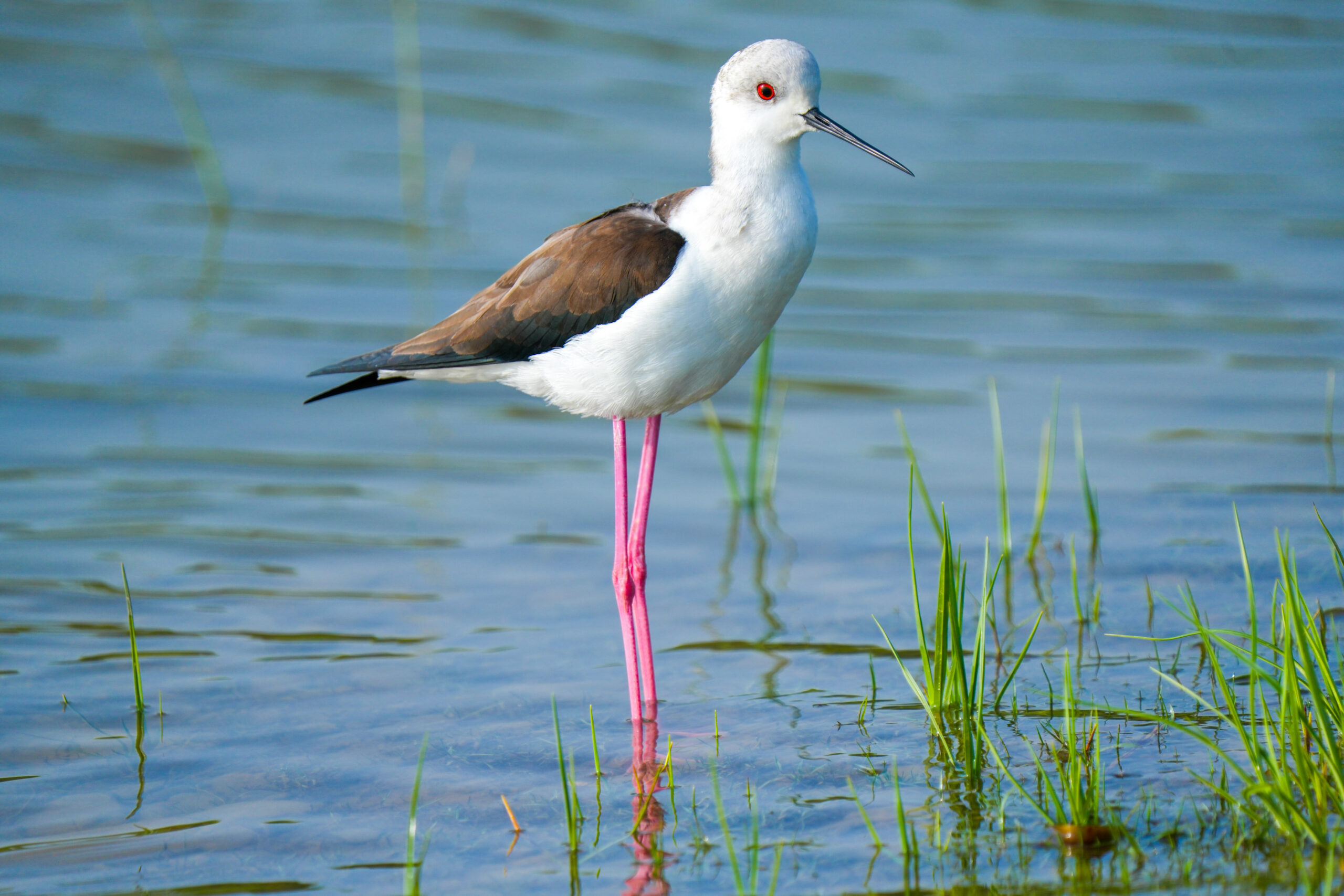
A simple waterbird frame with space, reflection, and a calm background
Start With a Clean Frame
One of the simplest ways to improve bird photography is to keep the background as plain as possible. When the subject stands out clearly, the photo feels stronger right away. A bird perched against a soft blurred background usually works better than a bird lost in branches, leaves, or too many nearby details.
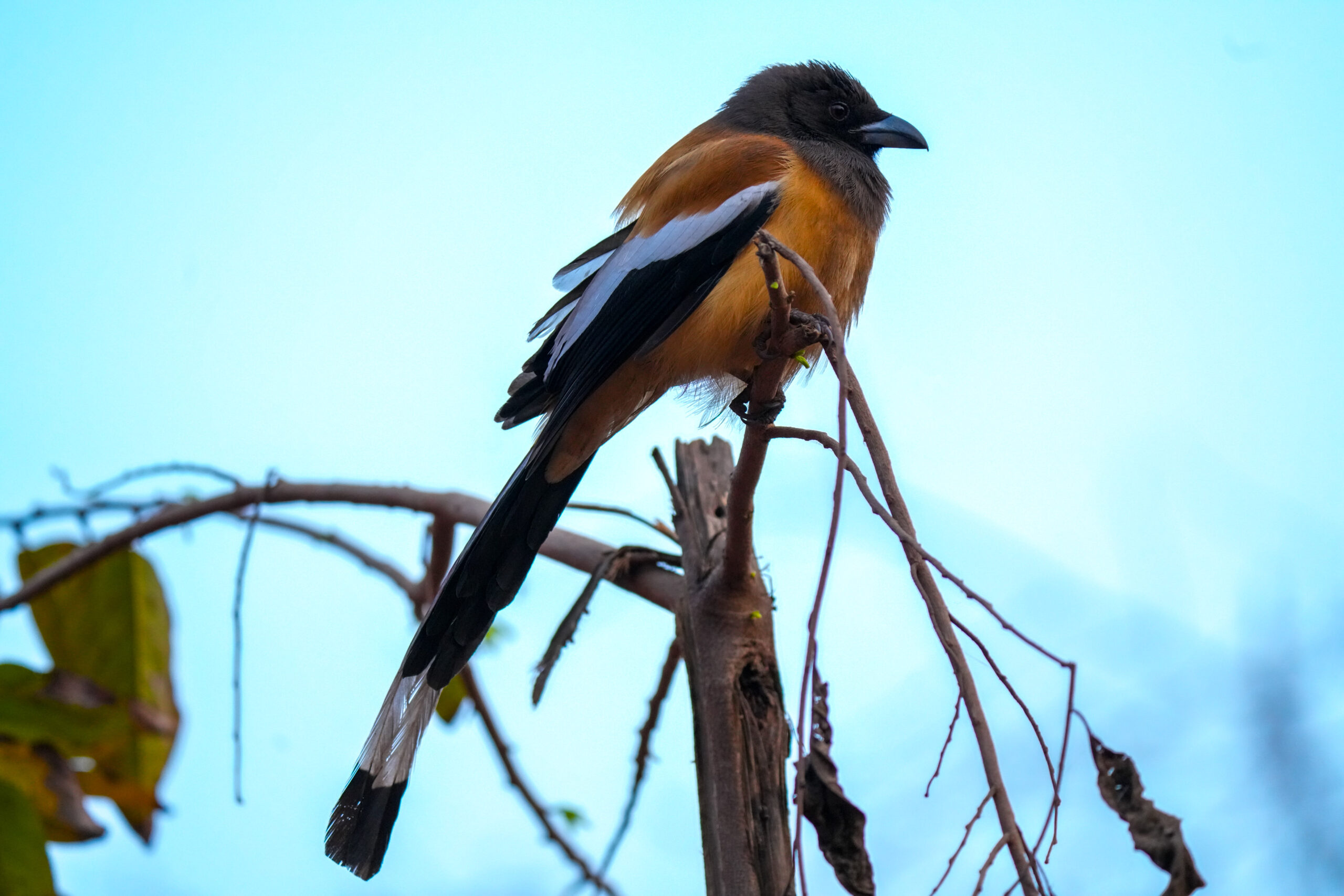
A clean perched portrait of a rufous treepie on a dry branch
The rufous treepie on the dry branch is a good example of this idea. The bird is sharp, the perch is simple, and the open background keeps the eye on the subject. That kind of frame is easy to read and works well for blog covers, portfolio pages, and social posts too.
Use the Bird’s Eyes
If there is one thing that makes a bird photo feel alive, it is eye contact. Even a still bird can look active and alert when the eye is visible and well focused. That is why it helps to wait for the bird to turn its head slightly or look in a direction that gives the frame more energy.
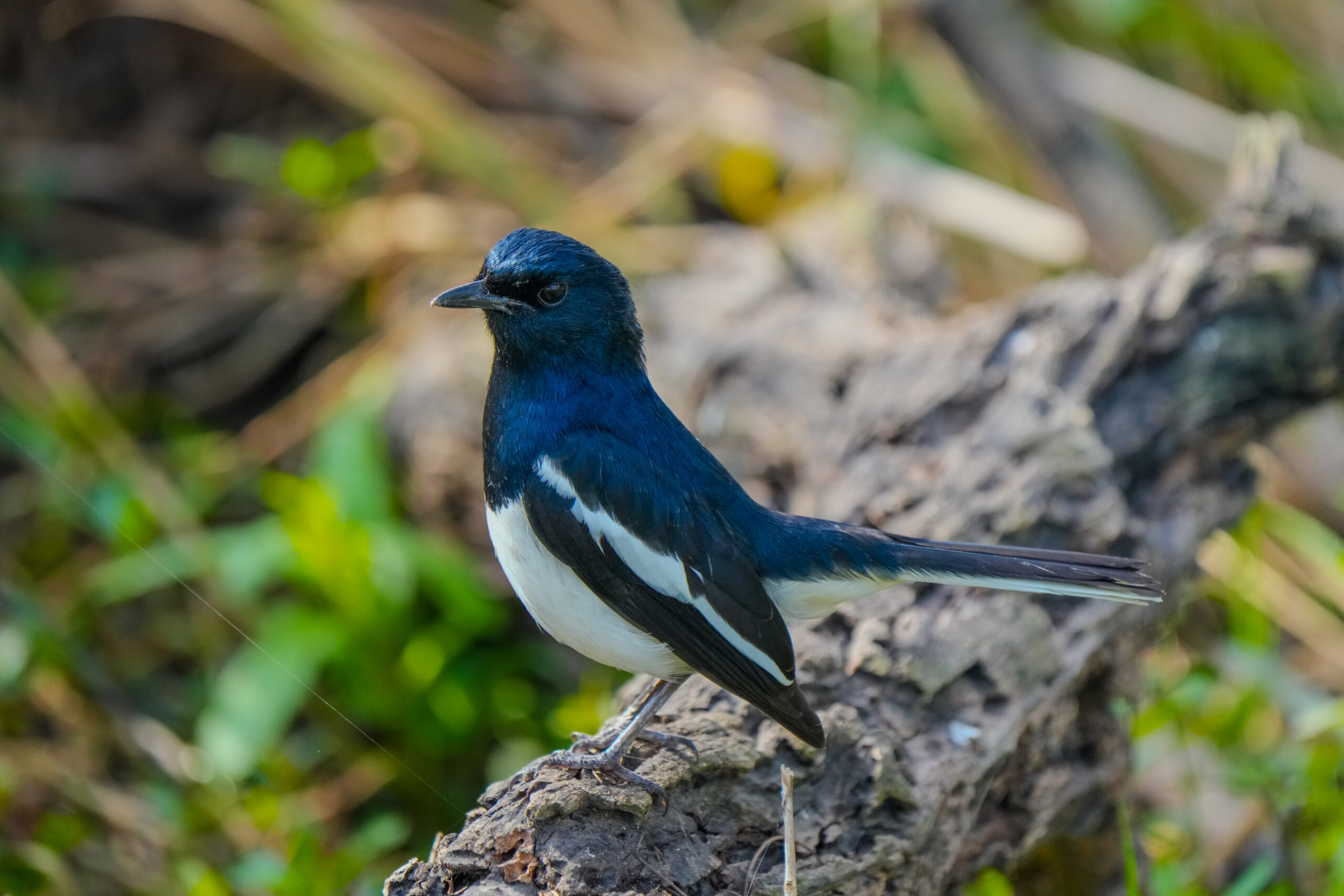
A neat perched pose that keeps the bird’s eye and posture easy to read.
The oriental magpie robin works nicely for this point because the posture is neat and the face is clearly visible. A bird standing tall on a log or branch often gives you a cleaner pose than a bird hidden low in the grass. This is a small detail, but it can change the whole feel of the image.
Freeze the Right Moment
Birds often move quickly, so shutter timing matters a lot. If you want a sharper frame, it helps to be ready before the action begins instead of reacting too late. Small movements like a wing stretch, a short takeoff, or a quick landing can turn into your best image if your camera is already prepared.
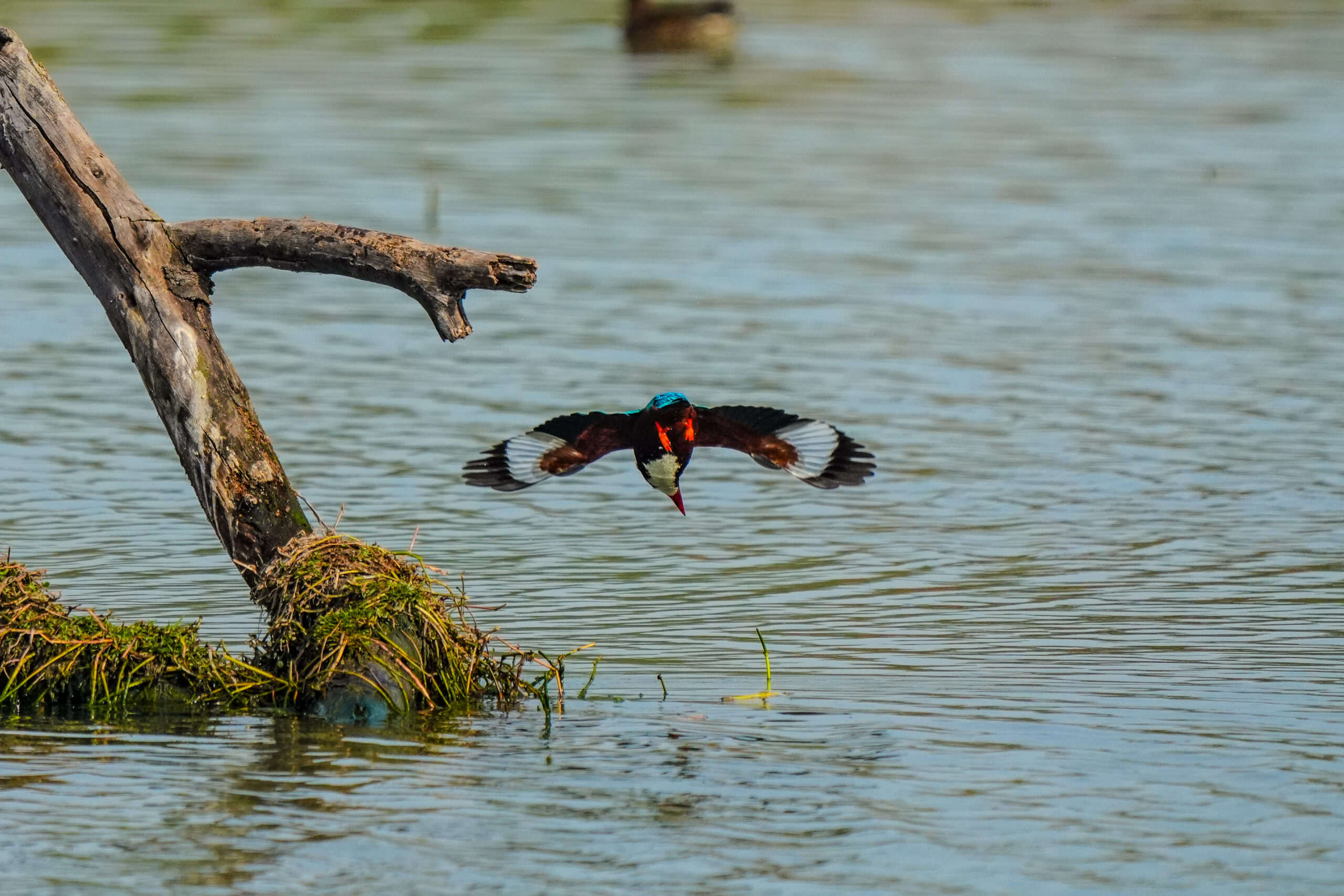
A fast action moment frozen in the frame as the kingfisher hovers over water
The white-throated kingfisher hovering above water is a strong example of this kind of timing. The bird is caught in motion, but the frame still feels controlled because the wings, body, and background all work together. In bird photography, these brief moments often matter more than a perfectly still pose.
Watch the Perch
A bird’s perch can make or break the final photo. A branch, log, stump, or stone should support the subject, not fight with it. If the perch is too messy or too close to the bird’s body, the frame can start to feel crowded.
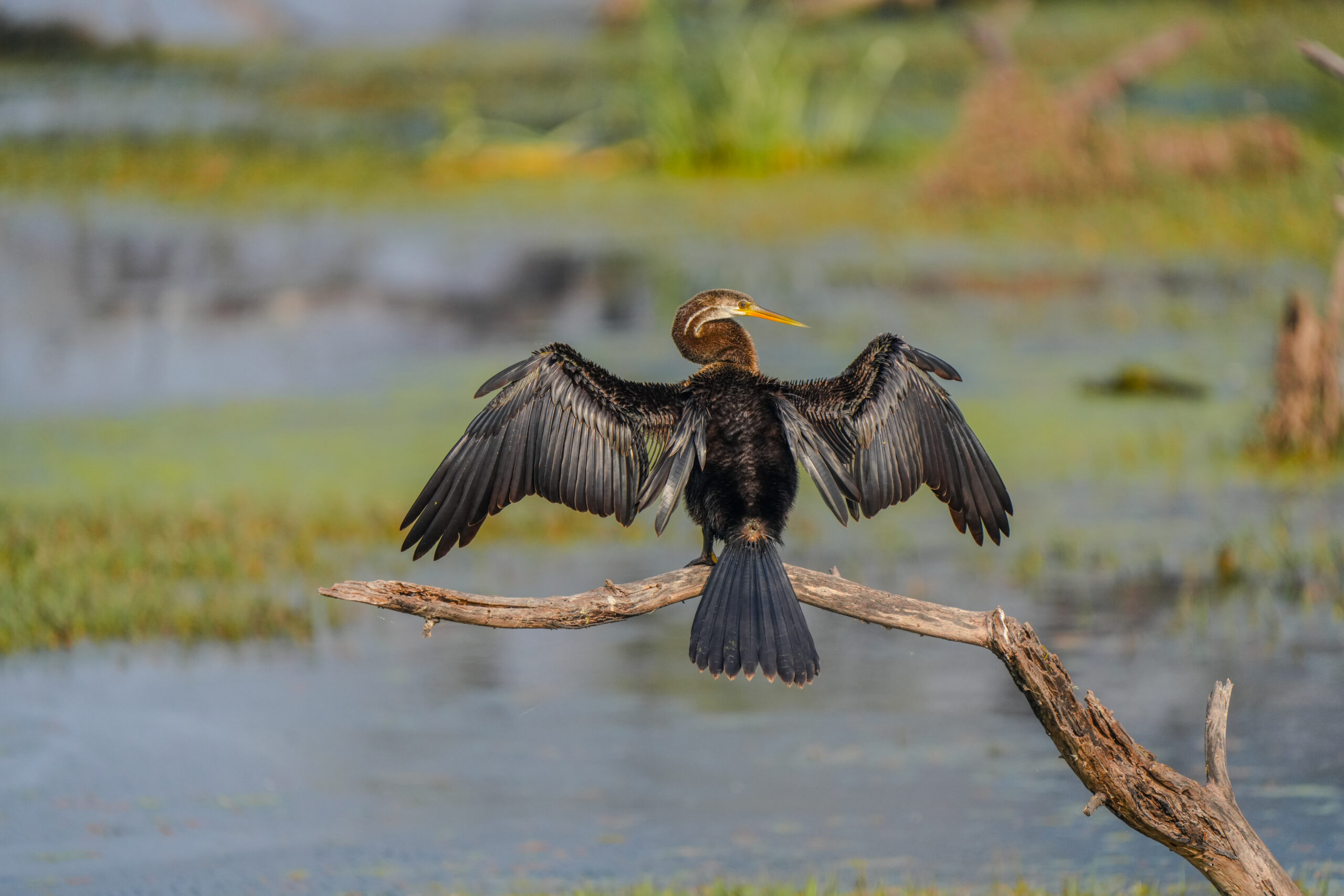
A natural behavior shot that adds story and movement to the frame.
The darter drying its wings is a nice case here because the perch and body position create a natural story. The perch gives context, while the wing posture gives character. That balance is what makes behavior shots stronger than plain record shots.
Use Light Carefully
Good bird photos usually depend on light that is soft, clean, and falling from the right side. Early morning and late afternoon often give better color and feather detail than harsh midday light. The feathers keep more texture, the shadows stay gentle, and the bird looks more natural in the frame.
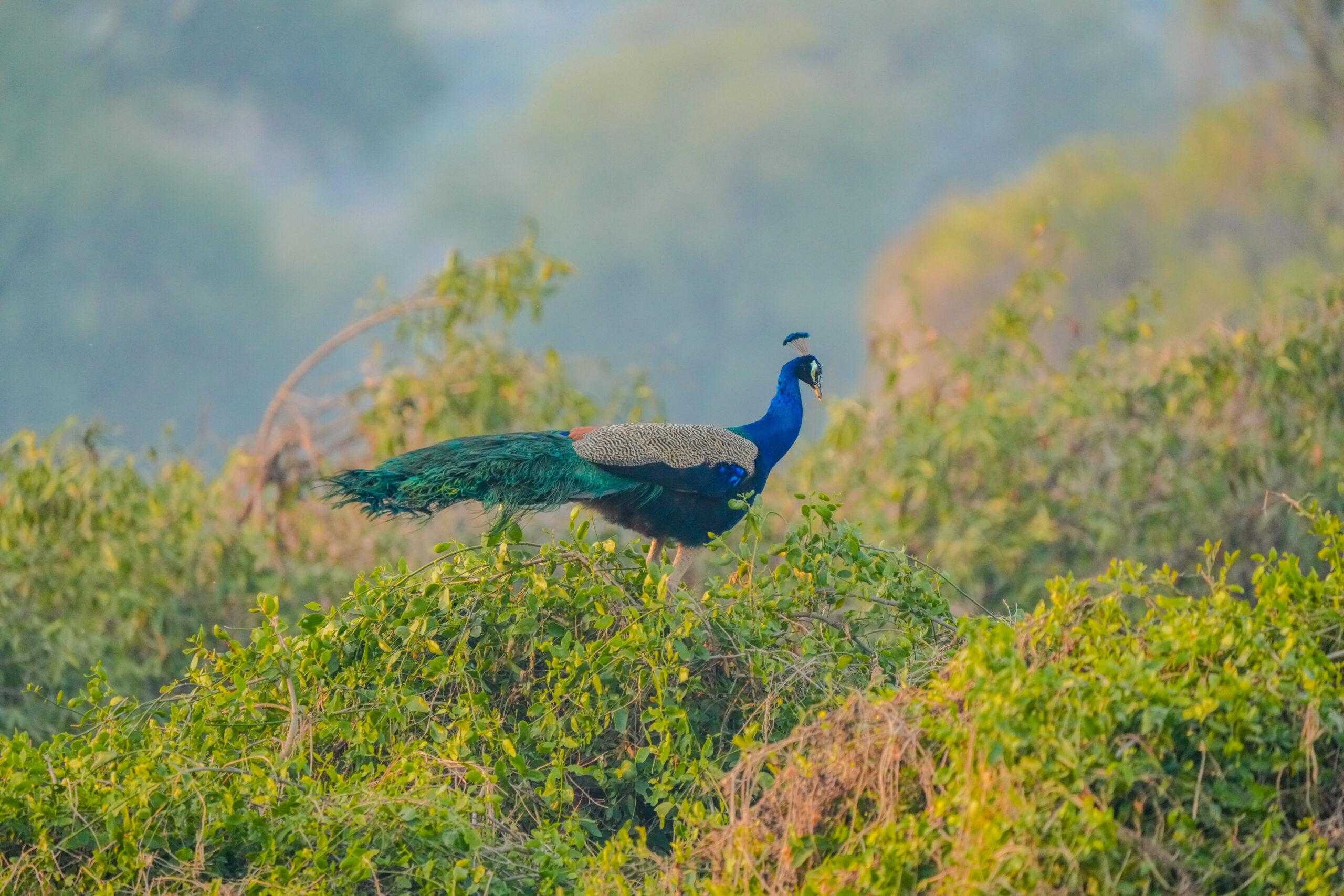
A colorful bird portrait that shows how light and posture improve the frame.
The peafowl shots show how light can help a bird stand out without making the image look overdone. When the bird’s shape is lit properly, the eye can separate the subject from the background much faster. That is one reason many bird photographers wait for better light instead of shooting too early.
Keep the Background Quiet
A busy background is one of the most common reasons bird photos feel weak. Even a well-focused bird can lose impact if there are too many bright colors or hard shapes behind it. That is why a soft background is often your best friend in the field.
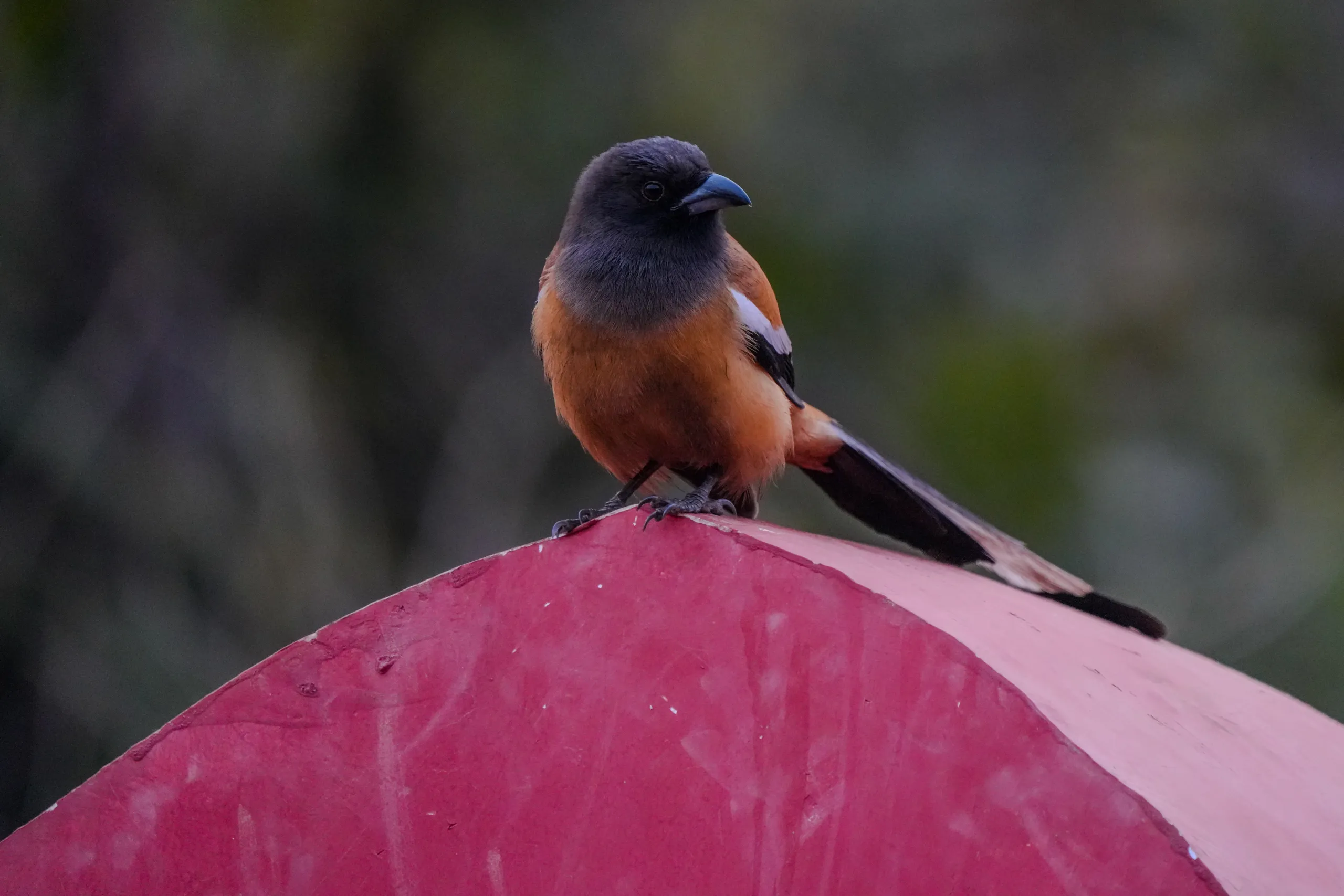
A rufous treepie calmly perched on a red structure, showing its distinctive brown body and dark head.
The rufous treepie on the red structure is useful here because it shows how a colorful background can still work if the subject remains strong and well separated. But in general, simpler backgrounds give you a cleaner and more professional look. That is especially helpful when the bird itself is already detailed and expressive.
Photograph Behavior, Not Just Pose
Some of the best bird images happen when the bird is doing something natural. A bird feeding, drying wings, hunting, or preparing to fly tells a richer story than a static portrait alone. Behavior adds life, and life is what makes wildlife photography memorable.
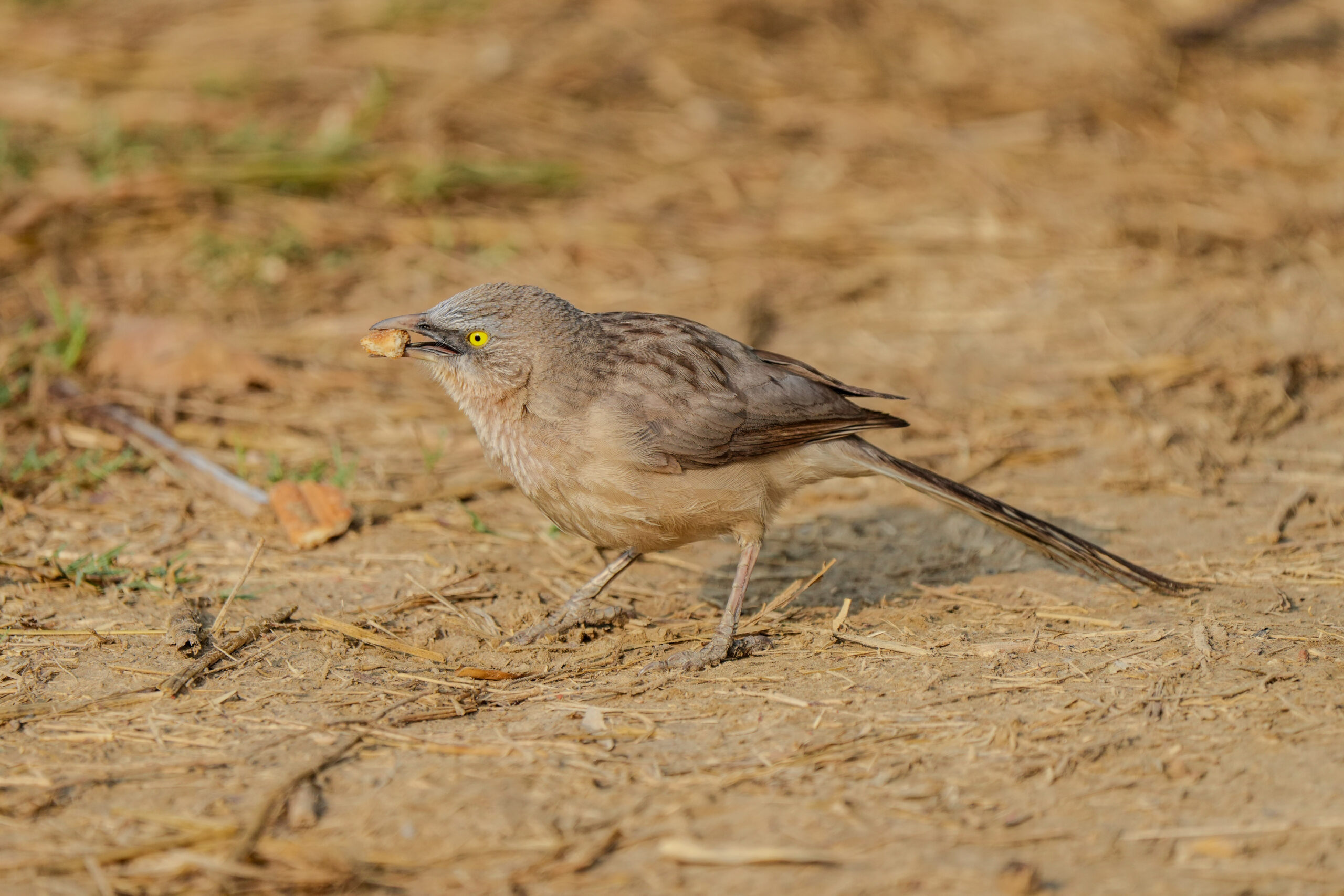
A small but strong behavior moment that adds action and story
The hovering kingfisher, the insect-carrying babbler, and the darter drying its wings are all strong examples of that idea. Each one shows a different side of bird behavior, and each one gives the viewer a reason to stop and look longer. These are the frames that often feel most rewarding later because they capture more than shape, they capture action.
Keep Practicing Patience
Bird photography rewards people who wait. You may see many birds that are not perfect for a photo, and then suddenly one good perch, one good posture, or one good wing movement changes everything. That is why patience matters as much as focus or lens choice.
The peafowl and the small forest birds in this set show that you do not always need a rare species to make a good frame. A common bird, photographed with care, can still become a very strong image. In many cases, the best shot comes from understanding the bird, not just chasing the shot.
Final Thoughts
Sharper bird photos usually come from simple habits done well. Keep the frame clean, watch the eyes, wait for action, respect the perch, and use light with care. Over time, these small choices will do more for your photography than any shortcut ever will.
Frequently Asked Questions (FAQs)
Notice Title
All images used in this blog are copyrighted. Unauthorized use, reproduction, or redistribution of these images is strictly prohibited. Please contact the site owner for permission or licensing inquiries.